Press release
Miel de tilleul de Picardie" registered as a PGI
The name "Miel de tilleul de Picardie" is officially recognized as a Protected Geographical Indication (PGI), with the publication, on November 11, 2025, of the implementing regulation in the Official Journal of the European Union. Miel de Tilleul de Picardie" is the first honey to be granted a geographical indication in Hauts-de-France.

A honey based on an emblematic Picardy species
"Miel de tilleul de Picardie" is a honey produced by bees of the Apis mellifera species from the nectar of the flowers of the "small-leaf lime tree". Apiaries are set up close to the trees when they flower. A light-tinted monofloral honey, it comes in liquid or crystallized form, with a homogeneous texture. Its taste is fresh and minty, with a refreshing tang. Miel de tilleul de Picardie" draws its specificity from the lime tree, emblematic of Picardy's forests. In fact, the species grows spontaneously in Picardy, and is even referred to as a wild lime tree. In fact, the etymology of Chantilly comes from the Latin "campus tiliae", meaning "fields of lime trees"
.Historically recognized production in Picardy
All stages of production, from laying the hives to harvesting the honey supers, are carried out in the PGI's geographical area, covering the departments of Aisne, Oise, Somme, Pas-de-Calais and Val-d'Oise. Marked by Picardy's extensive forests, linden honey production in this region dates back to the 18th century. This honey is cited in the Dictionnaire portatif du commerce of 1770 as "miel jaune de Picardie" (yellow honey from Picardy), among those from other regions deserving some distinction. This rich historical heritage and the approach to promoting "Miel de tilleul de Picardie" are now recognized by the PGI.

A sustainable commitment
"Miel de tilleul de Picardie" is committed to sustainable production, attentive to product quality and bee comfort. Key to the typicality of this honey, the lime tree is fairly resistant to heat and drought.
Economic data (2025)
52,25
tonnes bientôt commercialisées
2031
ruches
45
producteurs
2
conditionneurs
About the Protected Geographical Indication (PGI)
PGI is linked to know-how. It identifies an agricultural product, raw or processed, whose quality, reputation or other characteristics are linked to its geographical origin. At least one stage in the production, processing or elaboration of this product must take place in the delimited geographical area. The PGI guarantees protection for the product at both national and European level. Compliance with PGI specifications is regularly monitored by independent bodies accredited and supervised by the State.
The latest approvals for French SIQO products
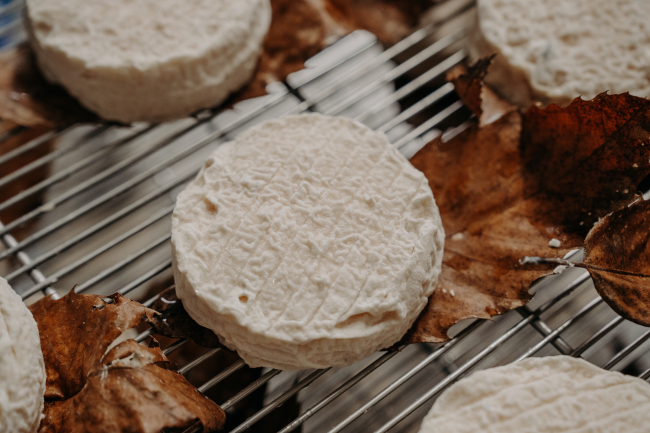
“Mothais sur feuille,” a soft cheese made from whole, raw goat’s milk, has been officially recognized as a Protected...
News
News
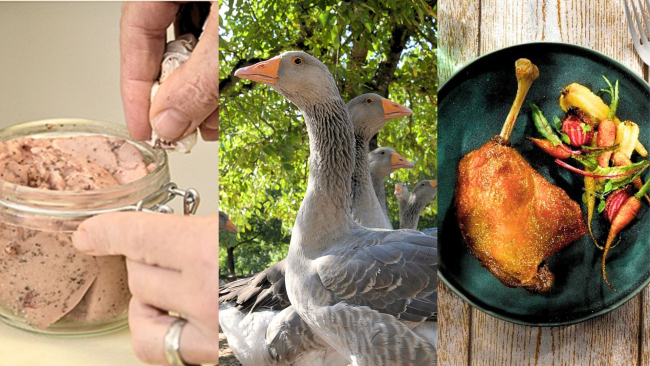
The designations “Oie du Sud-Ouest,” “Confit d’oie du Sud-Ouest ,” and “Southwest Goose Foie Gras” are now officially...
News
News
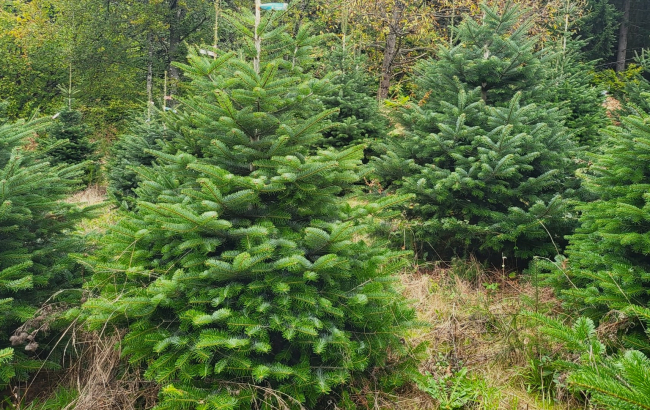
The "Morvan Christmas Fir" denomination is officially recognized as a Protected Geographical Indication (PGI), with the...
News
News